(506) 2520-1212
 (507) 310-8388
 (505) 5853-4565




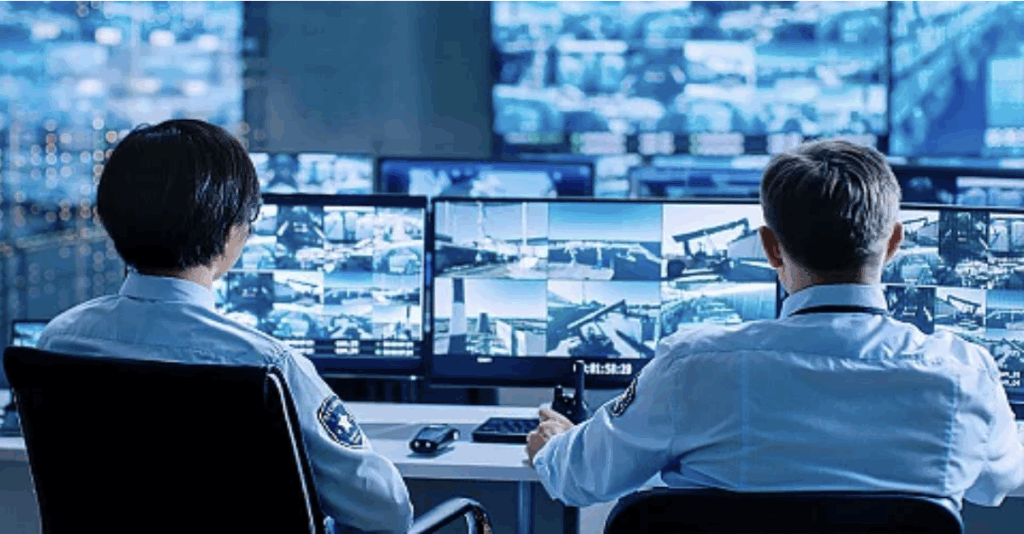
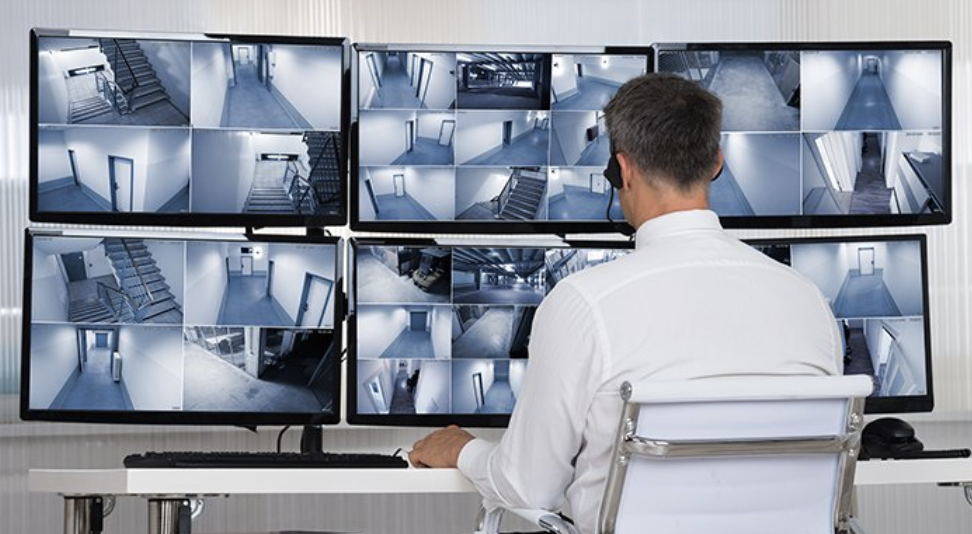
Today, protecting your home or business isn’t a luxury; it’s a necessity. One of the most effective solutions for achieving this is video surveillance systems, also known as CCTV (Closed Circuit Television). This type of system allows for continuous and secure monitoring of spaces, as the images generated can only be viewed by authorized individuals.
How does a CCTV system work?
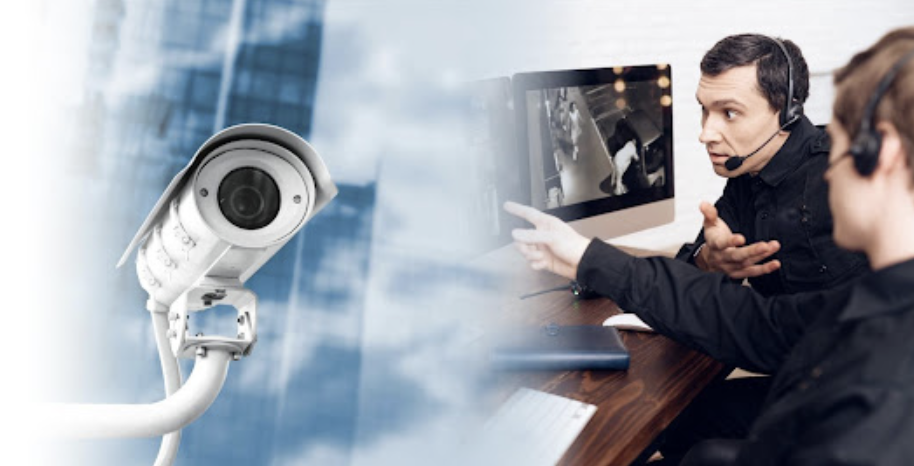
Video surveillance systems are designed to adapt to each client’s specific needs, whether for security, monitoring, or even to improve customer service. They can be customized with different types of cameras:
• Analog cameras
• Digital cameras
• Wired or wireless
• IP addressable for remote access
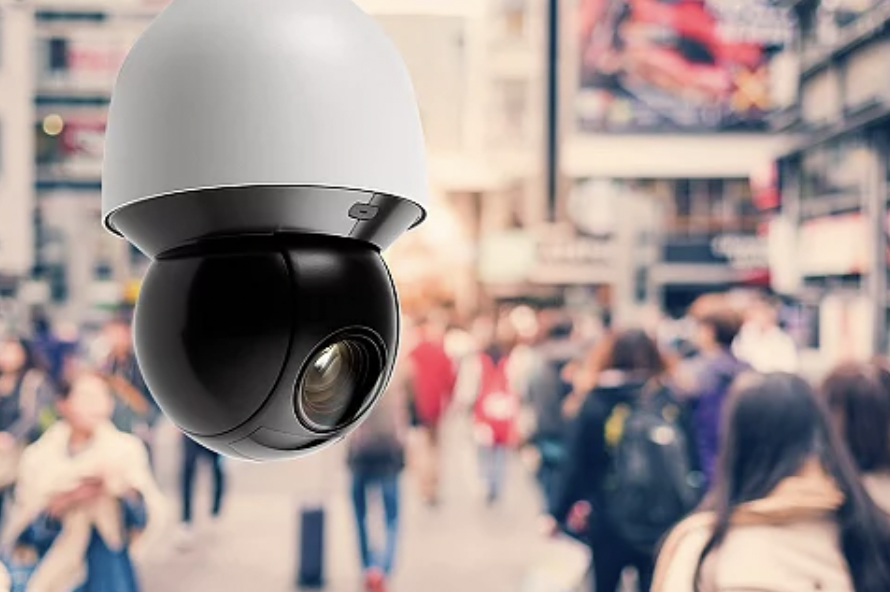
Thanks to today’s technology, it’s no longer necessary to rely on a switch. Cameras can be connected directly to a network, making it easy to integrate and access them from multiple devices at the same time.
Main components of a CCTV system
A complete video surveillance system is made up of several essential elements:
• Security cameras
• Monitors for viewing images
• Video recorder (DVR/NVR)
• Hard drive for storing recordings
• Workstation (CPU, monitor, keyboard, and mouse)
• Switch, if necessary for the network
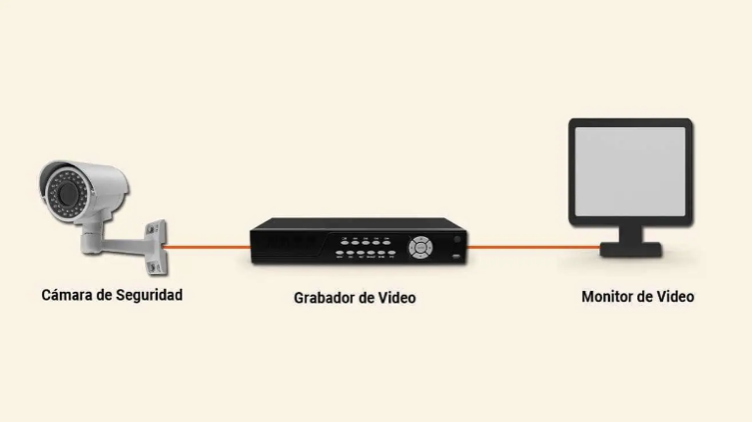
These cameras capture images that are then transmitted to monitors, either wired or wirelessly. The content can be monitored in real time by trained personnel or viewed remotely from mobile devices, computers, or tablets. Furthermore, everything is recorded for future reference in the event of an incident.
Advantages of a video surveillance system
Installing a CCTV system has multiple benefits:
• Deterrence of intruders and theft.
• Real-time remote access.
• Recordings that serve as evidence.
• Greater peace of mind for owners and managers.
• Improved operational control in businesses.