(506) 2520-1212
 (507) 310-8388
 (505) 5853-4565




Wet fire suppression systems are essential for building fire protection. These systems allow for early intervention, controlling fire before it spreads and causes further damage. In this article, we’ll explore how they work, their components, and why they are crucial for safety.
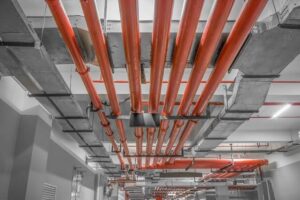
What is a Wet Suppression System?
A wet fire suppression system is a mechanism designed to prevent a fire from spreading out of control. It works primarily by using water, which is precisely directed onto the fire to quickly extinguish it. Its objective is to attack the fire preventively and in a controlled manner before it reaches a dangerous stage.
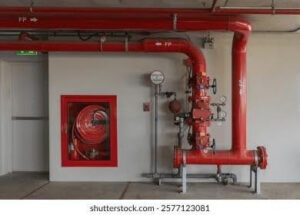
Types of Wet Suppression Systems
Currently, there are two types of wet fire suppression systems used in buildings to control fires: manual and automatic.
- Manual systems: This type of system is activated manually using hose cabinets, which are available to company personnel or firefighters in case of an emergency.
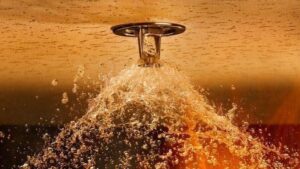
- Automatic systems: These are more sophisticated and consist of sprinklers that, upon detecting the heat generated by a fire, activate automatically, releasing pressurized water to extinguish the fire before it spreads.
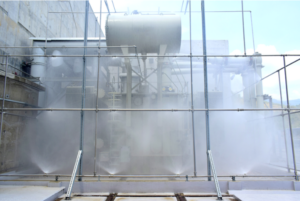
Components of a Wet Fire Suppression System
A wet fire suppression system is composed of several key elements that work together to protect people and property. The main components include:
- Water Tank: This is the reservoir where the water to be used in an emergency is stored. This tank is dedicated to the suppression system and must be of adequate size to meet the water needs in critical situations.
- Water Pump: Its function is to pump water from the tank to the system’s piping. It must have a high capacity to ensure that water reaches all necessary points quickly and effectively.
- Distribution Network: These are the pipes that distribute water throughout the building. This network ensures that water reaches the sprinklers or hose cabinets where it is most needed.
- Control Devices: These include both automatic sprinklers and manual hose reels. The sprinklers activate upon detecting high temperatures, while the hose reels are available for manual use should more direct intervention be required.
Objectives of Wet Fire Suppression Systems
- Safeguard lives: Protecting people inside the building is the priority. An effective suppression system helps reduce the risk of injury or death from fire.
- Minimize property damage: By intervening quickly, these systems limit damage to the building structure and the property inside.
- Ensure business continuity: In many cases, suppression systems help reduce the economic impact and allow business operations to recover more quickly after a disaster.
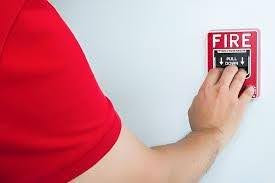
Its objective is to save lives, protect property, and ensure the continuity of business operations.